
The Power of Minimal Design in a Digital World
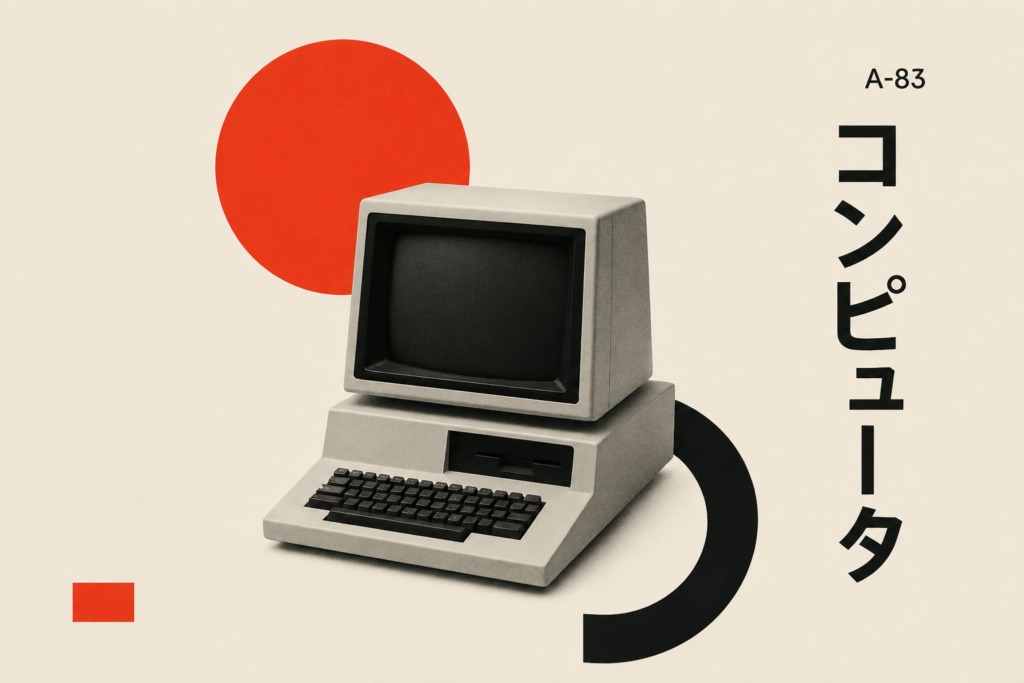
Minimal design is more than just a visual trend; it is a strategic approach that focuses on clarity, functionality, and user experience. In today’s digital world, where users are constantly exposed to overwhelming amounts of information, minimal design helps eliminate distractions and allows people to focus on what truly matters. By using clean layouts, ample white space, simple typography, and a limited color palette, websites and digital platforms become easier to navigate, creating a seamless and enjoyable experience for users.
One of the greatest strengths of minimal design is its ability to improve usability. When a website contains only essential elements, visitors can quickly understand the content, locate important information, and take desired actions without confusion. This simplicity reduces cognitive load, meaning users do not have to spend extra mental effort processing unnecessary visuals or cluttered interfaces. As a result, engagement increases, bounce rates decrease, and overall user satisfaction improves.
Minimal design also plays a crucial role in building a strong and professional brand identity. Luxury brands, premium service providers, and successful digital businesses often embrace minimalism because it communicates confidence, sophistication, and credibility. Instead of relying on excessive graphics or decorative elements, minimal design allows the quality of the content, product, or service to speak for itself. This creates a sense of elegance and trust that resonates with modern audiences.
From a technical perspective, minimal websites typically load faster because they contain fewer visual elements and unnecessary components. Faster loading times contribute to better search engine rankings, improved mobile performance, and a smoother user experience. In an era where users expect instant access to information, speed has become a critical factor in digital success, making minimal design both aesthetically pleasing and highly practical.
Another important advantage of minimal design is its timeless nature. Design trends come and go, but simplicity remains relevant. A clean and well-structured interface can stay effective for years without appearing outdated. This longevity helps businesses maintain a consistent digital presence while reducing the need for frequent redesigns.
Ultimately, the power of minimal design lies in its philosophy of “less, but better.” It removes unnecessary elements, highlights key messages, improves user focus, and creates a visually appealing experience that feels modern, elegant, and purposeful. In a digital landscape crowded with noise and distractions, minimal design stands out by delivering clarity, efficiency, and lasting impact.